Américas: Brasil, Argentina, México, Canadá, Estados Unidos, Peru, Chile, Colômbia, Venezuela, Paraguai
Europa: Reino Unido, França, Alemanha, Espanha, Portugal, Itália, Suécia, Noruega, Dinamarca, Polônia, Holanda, Bélgica, SuÃça
Ãsia e PacÃfico: Japão, Coreia do Sul, Ãndia, Austrália, Nova Zelândia, Indonésia, Filipinas, Malásia

All the countries that are part of Amnesty can participate with their local public figures, demonstrating that this idea can truly be amplified all year round, literally.
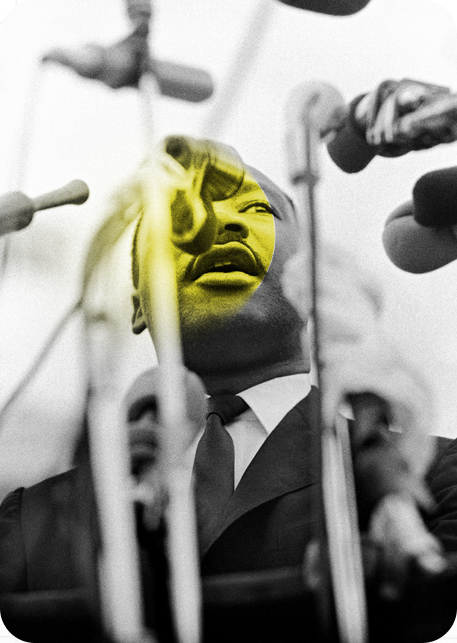
This day honors the leader of the U.S. civil rights movement, a symbol of the nonviolent struggle against racism and inequality. It commemorates his legacy of justice, equality, and peace.
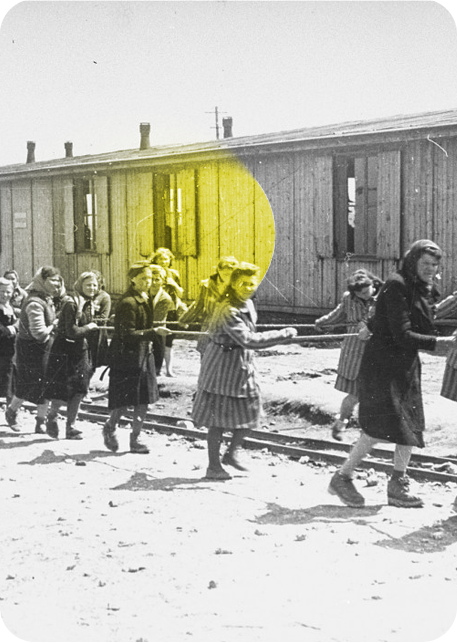
This day commemorates the victims of the Nazi genocide during World War II, remembering the millions of Jews and other communities persecuted. Its purpose is to preserve historical memory, educate against antisemitism, and prevent such atrocities from ever happening again.
This day raises awareness about female genital mutilation (FGM), a harmful practice that violates the human rights of girls and women worldwide. It highlights the physical and psychological consequences of FGM and its roots in gender inequality, discrimination, and harmful social norms.
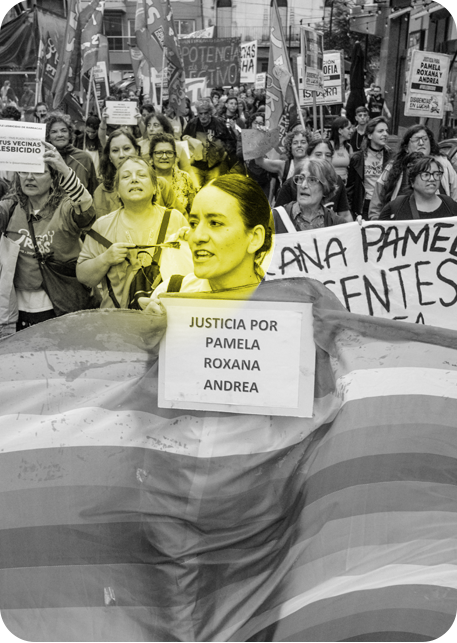
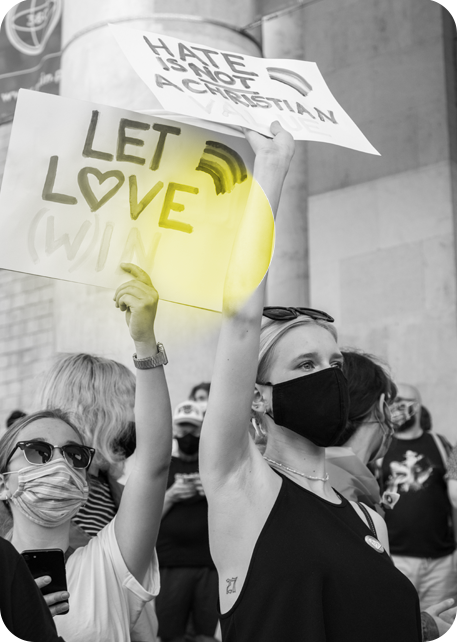
This day is marked to raise awareness of and denounce the attitudes and hate-driven discourse of discrimination faced by lesbian women in our society.
This day promotes the voluntary disconnection from technology as a way to reconnect with oneself and the environment, as well as to critically reflect on our digital habits.
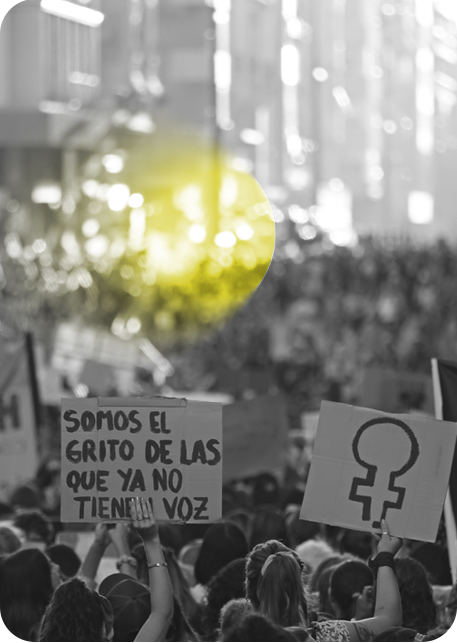
International Women’s Day is observed every March 8 as a reminder of women’s historic struggles for equality, justice, and dignity. Its origins are linked to the strikes of textile workers and labor movements in the early 20th century, demanding fair working conditions, political and social rights, and an end to discrimination.
Today, this date symbolizes resistance against structural inequalities and gender-based violence that still persist worldwide. It is a day of mobilization and reflection, recognizing the progress achieved while also highlighting the remaining challenges to ensure full equality of rights between women and men.
On March 1971, the Chilean section of Amnesty International was founded, in a context marked by democratic and social challenges. Since its beginnings, the organization in Chile has worked to expose human rights violations and support people’s demands for justice and dignity.
The anniversary is an opportunity to recognize more than five decades of continuous commitment in the country, both during the dictatorship and in democracy. Amnesty International Chile remains a key space for uniting diverse voices in the defense of human rights, connecting local struggles with the global movement.
This day commemorates the victims of the 1960 Sharpeville massacre in South Africa and serves as a global call to end racism and racial discrimination in all their forms. It highlights how racism continues to shape unequal access to rights, justice, and opportunities.
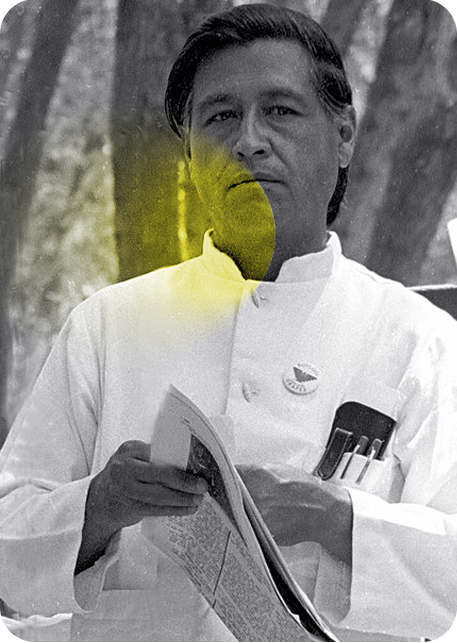
This day honors the labor leader and activist for the rights of farmworkers in the United States. His legacy inspires struggles for fair working conditions, social justice, and the defense of vulnerable communities.
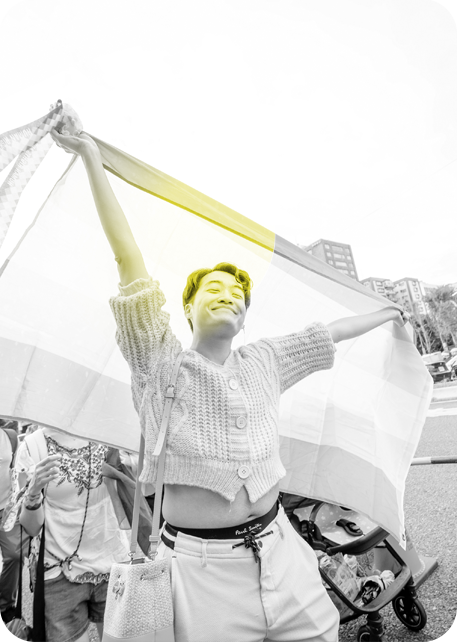
This day highlights the existence, contributions, and challenges of transgender people. It is a day of pride and struggle against discrimination, emphasizing the need for inclusion and equal rights.
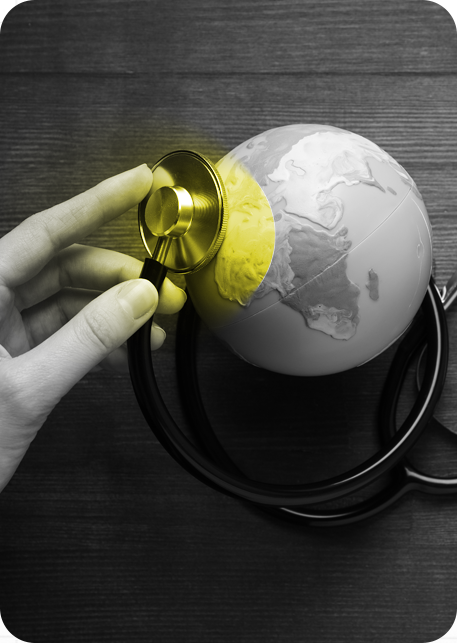
World Health Day highlights health as a fundamental human right and draws attention to the inequalities that prevent millions of people from accessing adequate care. It emphasizes the social, economic, and environmental factors that shape health outcomes.
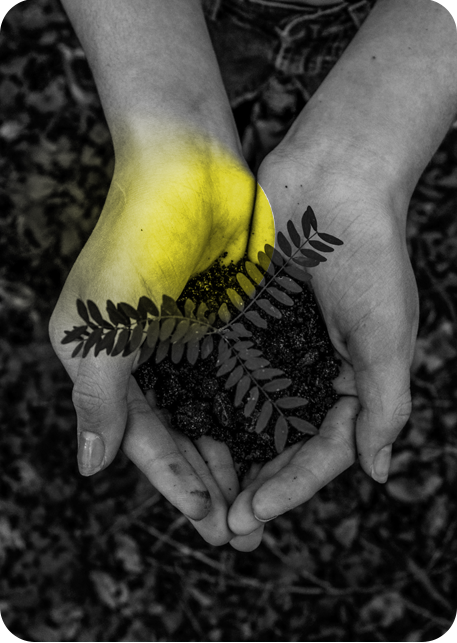
Earth Day is celebrated every April 22nd to raise awareness about the importance of protecting our planet. This day addresses key issues such as climate change, pollution, biodiversity loss, overpopulation, and other environmental challenges that affect life on Earth.
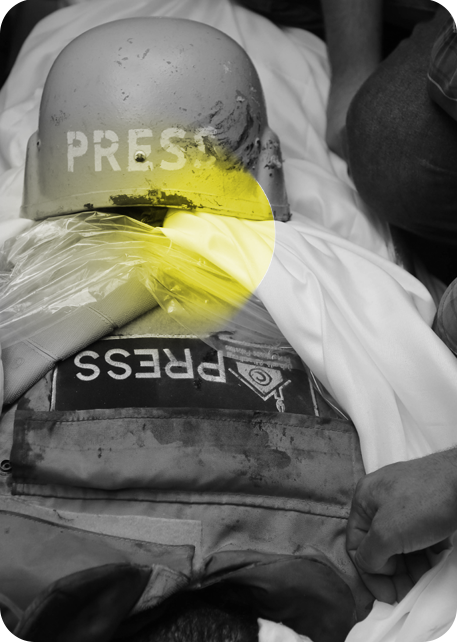
World Press Freedom Day, established by the UN in 1993, underscores the essential role of journalists and media outlets in democratic societies. The date commemorates the Windhoek Declaration (1991), which highlighted the importance of an independent and pluralistic press as a guarantee of transparency and access to information.
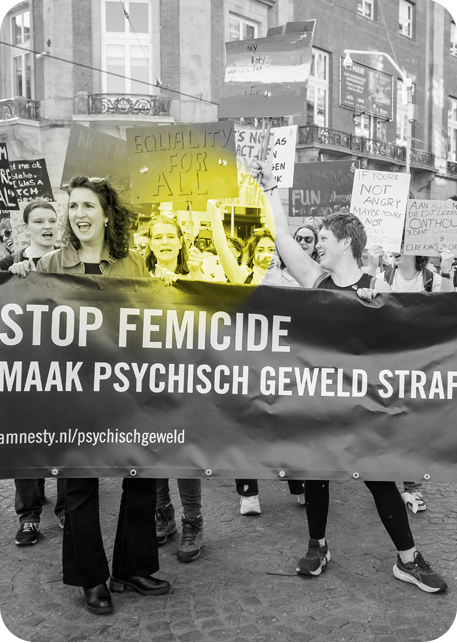
Every May 3rd, tribute is paid to those who risk their lives to report the news, and the censorship, persecution, and violence faced by thousands of journalists worldwide are denounced. It is a call to states to protect freedom of expression as a fundamental right.
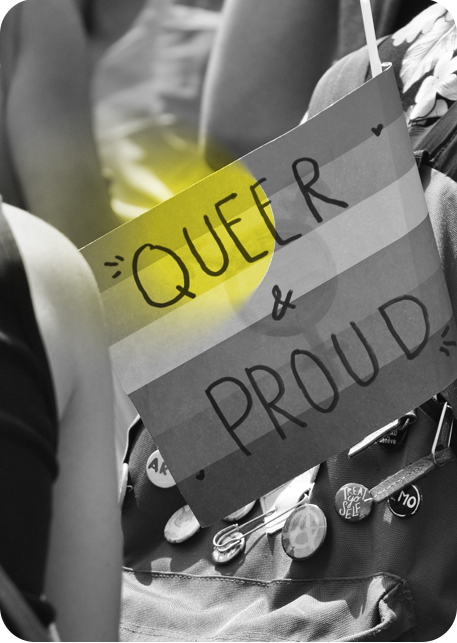
This date marks the day the WHO removed homosexuality from its list of mental disorders (1990). It aims to highlight the violence faced by LGBTQIA+ people and to promote inclusive, discrimination-free societies.
On May 28, 1961, British lawyer Peter Benenson launched the “Appeal for Amnesty” campaign, denouncing the unjust imprisonment of two Portuguese students. That gesture gave birth to Amnesty International, a movement that today counts millions of members and a presence in over 150 countries.
The anniversary serves as a reminder of how a single action can transform into a global movement for justice. Each year, the organization reaffirms its mission to protect the dignity and rights of all people, regardless of borders or circumstances.
This day focuses on women’s right to the highest attainable standard of physical and mental health. It highlights barriers such as discrimination, violence, and lack of access to sexual and reproductive health services.
World Environment Day was established by the United Nations in 1972 during the Stockholm Conference, the first major international summit on environmental issues. Since then, every June 5 has been dedicated to raising awareness about the challenges of the ecological crisis.
It is a date that calls for action, lifestyle changes, and the development of public policies to protect the planet. It also highlights the connection between environmental justice and social justice, reminding us that the most vulnerable communities are the most affected by environmental degradation and climate change.
This day draws attention to the millions of children worldwide who are forced into child labour, often under dangerous and exploitative conditions. It highlights how poverty, inequality, and lack of access to education perpetuate this violation of children’s rights.
This day highlights the growing impact of hate speech on social cohesion, human rights, and democratic values. It draws attention to how discriminatory narratives fuel violence, exclusion, and persecution of vulnerable groups.
This day seeks to raise awareness and encourage reflection on sexual violence in armed conflicts, including sexual slavery, forced prostitution, and other serious acts that violate the rights and dignity of those affected.
Juneteenth commemorates the abolition of slavery in the United States in 1865. It is a day of remembrance, resistance, and celebration of the freedom of the African American community.
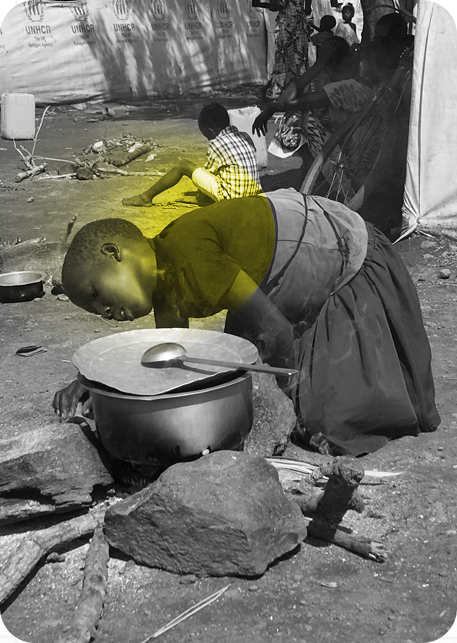
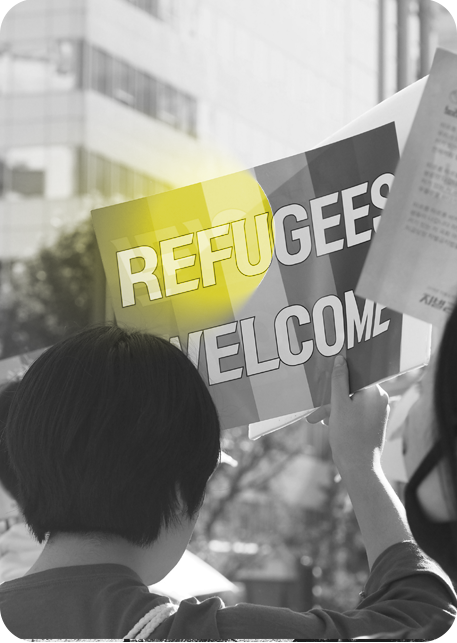
This day recognizes the resilience and rights of forcibly displaced people around the world. It calls for empathy, solidarity, and effective international protection.
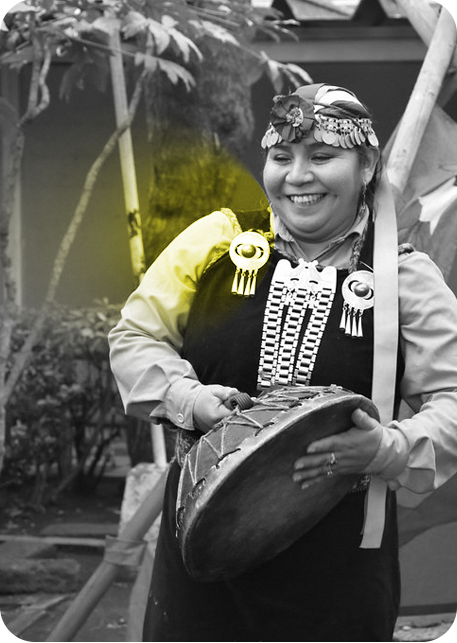
We Tripantu marks the beginning of a new life cycle and the renewal of nature according to the Mapuche worldview. It is a spiritual and cultural celebration that reaffirms the identity, memory, and traditions of this Indigenous people.
World Population Day focuses on global demographic challenges and their connection to human rights, development, and sustainability. It highlights issues such as access to healthcare, education, gender equality, and reproductive rights.
Proclaimed by the UN, this day recognizes the rights, cultures, and contributions of Indigenous peoples. It highlights their struggles for territory, identity, and respect for self-determination.
This day recognizes young people as agents of change and highlights the challenges they face, including inequality, unemployment, violence, and lack of political participation.
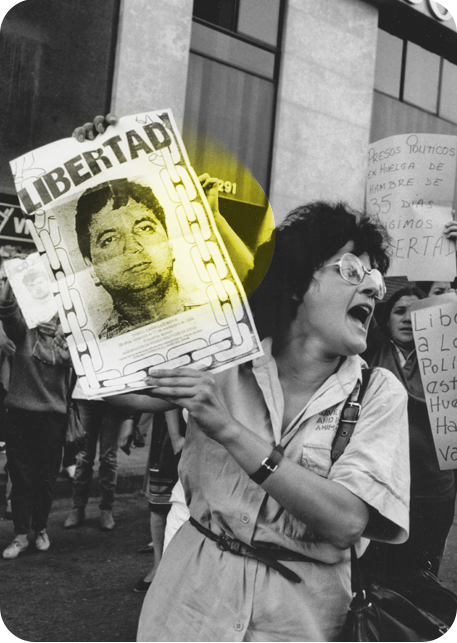
Every September 11 marks the commemoration of the military coup in 1973 that overthrew the democratic government of Salvador Allende, beginning a 17-year dictatorship marked by severe human rights violations. Thousands of people were executed, disappeared, imprisoned, and tortured.
This date is remembered as an act of memory and commitment to democracy, truth, and justice. Keeping alive the memory of the coup and its victims is essential so that such acts of political violence and authoritarianism never happen again in Chile.
The International Day of Peace promotes the values of nonviolence, dialogue, and coexistence. It highlights the human cost of armed conflict and the importance of protecting civilians and human rights.
World Contraception Day raises awareness about the right to access safe, effective, and affordable contraceptive methods. It highlights the link between reproductive autonomy, gender equality, and health.
This month celebrates the culture, history, and contributions of Hispanic communities in the United States. It highlights their identity, resilience, and role in society.
World Smile Day promotes kindness, empathy, and small acts of solidarity that strengthen social bonds. It reminds us that gestures of humanity can be powerful tools for connection and dignity.
Coming Out Day celebrates the right to live openly regarding one’s sexual orientation or gender identity. It promotes visibility, courage, and support for those who decide to share their identity, contributing to broader social acceptance.
This day highlights the specific challenges faced by girls worldwide, including discrimination, violence, early marriage, and barriers to education.
This date recalls the encounter between Indigenous peoples and Europeans in 1492, prompting reflection on the impact of colonization. In Chile and Latin America, it has been redefined as a day to value cultural diversity and denounce historical violence against Indigenous peoples.
This Mexican tradition honors deceased loved ones through altars, offerings, and rituals. It is a celebration of life, memory, and intergenerational connection.
Every November 1, Ecology Day is celebrated with the aim of raising awareness about the importance of conserving the environment and promoting actions that protect our planet’s biodiversity.
Every November 20th, International Transgender Day of Remembrance is commemorated, a day of reflection to honor the victims of transphobic violence and highlight the consequences of hatred toward trans people.
This day is commemorated to promote children’s well-being and to recognize the rights of girls and boys, including their right to life, health, education, and other fundamental rights essential to their full development.
November 25 commemorates the 1960 assassination of the Mirabal sisters in the Dominican Republic, political activists who stood up against Rafael Trujillo’s dictatorship. In 1999, the UN declared this date the International Day for the Elimination of Violence against Women.
The commemoration seeks to shed light on gender-based violence in all its forms: physical, psychological, sexual, economic, and symbolic. It is a day to demand effective policies, justice for victims, and cultural change to ensure women can live free from violence.
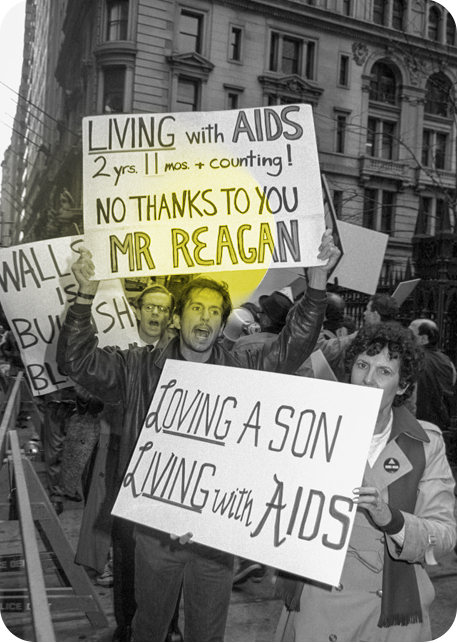
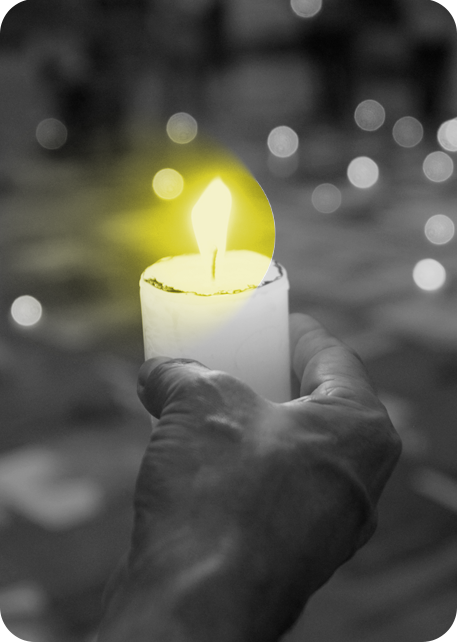
This day remembers people who have died from HIV/AIDS and supports those living with the virus. It calls for prevention, research, and the elimination of stigma.
This day commemorates the adoption of the Universal Declaration of Human Rights in 1948, a historic milestone that recognized the inherent dignity and rights of all people. It is a time to reflect on progress made, denounce violations, and renew commitment to defending universal rights.
Discover key human rights dates and add them to your calendar.
Together, we can keep the moments that unite us alive.